
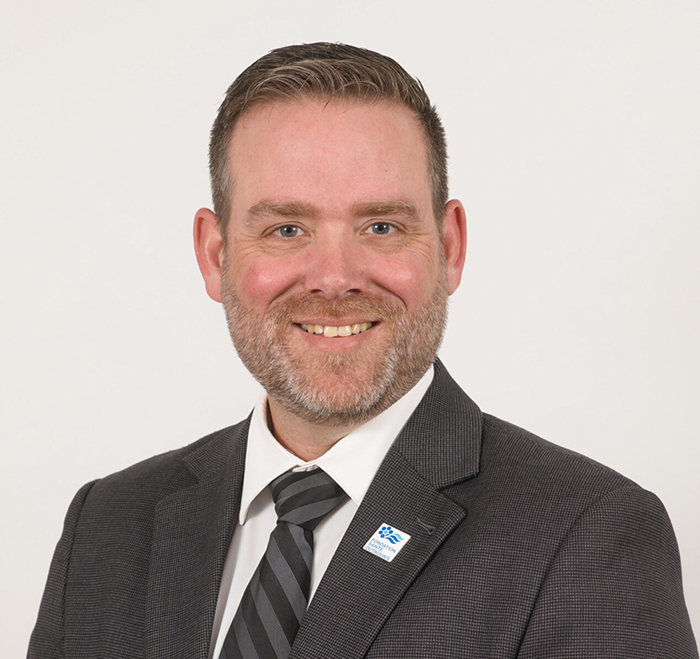
Tashi Farmilo
Published in the Pontiac Journal on January 28, 2026.
The number of family physicians in the Outaouais planning to leave their practice has declined significantly since December, according to the Centre intégré de santé et de services sociaux de l’Outaouais (CISSSO). Of the 41 doctors who initially announced their departure in response to Quebec’s Bill 2, 22 have confirmed they will remain, 10 are proceeding with their departure, and 9 are still undecided. This reduces the number of potential departures to 19.According to Maida Lujinovic, CISSSO media relations advisor, this shift is the result of “an intensive, personalized follow-up” process with physicians. “We prioritized sustained and accessible communication, responding quickly to their questions, meeting with them when necessary, and ensuring they had all the information required to support their decision-making.” Lujinovic noted Dr. Guilbault, president of the Territorial Department of Family Medicine, also contacted physicians directly to offer clinical support.
The crisis was triggered by Bill 2, provincial legislation that initially proposed performance targets for family physicians. Although a late-December agreement postponed its implementation until the end of February and removed the contentious metrics, many doctors expressed lingering concerns around workload, autonomy, and the sustainability of practice.
In the Pontiac, where health care resources are already limited, the departure of even a
single physician carries an outsized impact.
Dr. Doria Mira and Dr. Jonah Dabora, family doctors at Clinique Médicale Le Lotus in Shawville, announced they are leaving as of March 31, 2026. In a letter to patients, both cited a reorientation of their professional focus and said they are actively working to secure a replacement. Patients were advised to register with the provincial Family Doctor Finder.
The Outaouais continues to face persistent structural challenges in primary care, including recruitment troubles and retirement without replacements. “Any net loss of family physicians could increase pressure on emergency services, walk-in clinics, and already fragile teams,” Lujinovic acknowledged.
Jean Pigeon, president and CEO of SOS Outaouais, underscored the uncertainty created by the lack of a firm timeline for decisions from the remaining undecided physicians. “This absence of clarity complicates planning for both the health system and the public,” he said.
While he acknowledged the follow-up efforts by CISSSO, Pigeon noted “no new structural measures have been shared” and argued the current situation exposes the region’s vulnerability during major health reforms. “We urgently need long-term solutions tailored to the realities of border communities and to the chronic underfunding of healthcare here,” he concluded.
(Photo : Fondation de la santé de l’Outaouais)