William Dale – Local Journalism Initiative
Published online August 26, 2026, at www.pontiacjournal.com
OTTER LAKE — Longstanding frustration over discolored tap water in Otter Lake has resurfaced as municipal officials release official survey data, increase line flushing, and seek expert diagnostics, while local residents argue that temporary fixes fail to address decades of deteriorating infrastructure.
According to results from a survey conducted by the Municipality of Otter Lake in June and July 2026, 52 per cent of respondents on town water reported no discoloration. However, 38 per cent stated they experience discolored water, and an additional 10 per cent reported it occurs following regular line maintenance. Among those experiencing discolored water, 21 per cent reported that it happens frequently, while 32 per cent said the discoloration persists from several hours to more than a day.
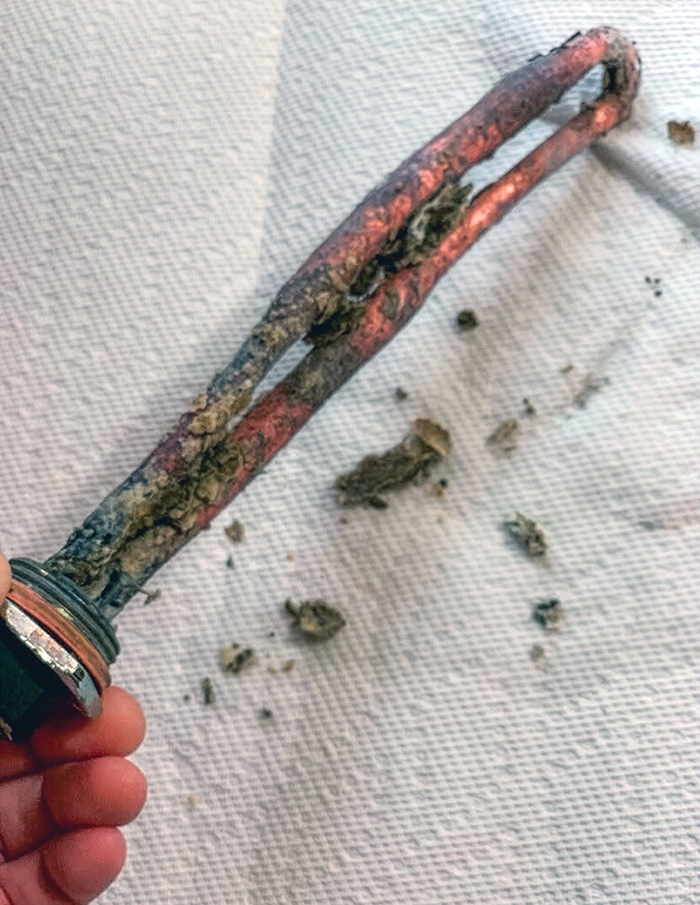
For Kathy Racine, a lifelong resident of Otter Lake, the municipality’s recent announcements bring a strong sense of déjà vu. Racine recalls experiencing brown, muddy water coming from her taps as far back as the early 1990s. Over the decades, her family has documented the issue—from filling swimming pools that turned the color of “chocolate milk” using municipal water, to ruining costly white laundry and replacing four hot water tanks since moving into her current home in 2003.
“It started for me as far back as the early 90s,” Racine said, noting that her father, who spent over 20 years working in a water treatment plant at a regional mill, also repeatedly raised concerns to local officials. “Every single pool we filled using town water looked {dark} like that. We’ve lost money on clothing, replaced hot water tanks and elements, and we have to bring in bottled water for everything except washing.”
Racine expressed skepticism over past municipal projects, including the construction of the local water tower, which she believes failed to address the core problem: aging, corroded pipes underground. “They’re putting a band-aid on it,” she said. “What needs to be done is dig up the roads and change the pipes”
When reached for comment, Mayor Jennifer Quaile acknowledged the ongoing aesthetic issues but emphasized that recent testing confirms the water remains safe from a health standpoint.
Testing of the municipal system showed a manganese level of 0.035 mg/L. Health Canada sets the maximum safe limit for health at 0.12 mg/L, placing Otter Lake’s water far below any health threshold with no risk to infants, children, or adults. However, the level slightly exceeds Health Canada’s aesthetic objective of 0.02 mg/L, which can lead to a faint metallic taste or dark staining on laundry, sinks, and toilets over time.
Addressing the survey findings, Mayor Quaile noted that while more than half of the respondents reported no issues, council is actively taking steps to investigate why specific households are affected. “We know that there’s manganese in the water,” she said, adding, “It’s just a fact—many municipalities have it. We’ve had it tested. It’s within the safe levels in terms of health. It’s just not aesthetically pleasing.”
To combat mineral buildup, municipal crews completed a full system flush over the weekend of August 14–15, which Mayor Quaile reported successfully cleared the lines for affected homes. Moving forward, the municipality plans to flush the water mains monthly through September and October.
In an official public notice, the town advised residents to avoid consuming potable water or doing laundry during scheduled flushing periods to prevent staining. The municipality also issued guidance suggesting residents flush their hot water tanks, report any drops in water pressure, or consider installing point-of-entry intake filters at their homes.
Regarding long-term infrastructure improvements, Mayor Quaile stated that the town is currently obtaining quotes from specialized engineering companies to perform diagnostic checks on the pipe network before determining if larger capital overhauls or treatment plant upgrades are necessary. The municipality added that its next step will involve following up directly with residents who experience frequent discoloration to gather additional details.
For residents like Racine, however, home filters and increased flushing are insufficient remedies for a system she feels has been neglected for generations.
“They gave out free filters back in the 90s and it did zero because the main issue is the pipes themselves,” Racine said. “It’s time to focus on people’s health and get proper testing done so residents finally have peace of mind.”
Cutlines: Heavy sediment and buildup encrust a two-year-old hot water tank heating element removed from Kathy Racine’s Otter Lake home on October 26, 2021. Affected residents report replacing multiple water heaters over the years due to mineral accumulation in the municipal lines. (Submitted by Kathy Racine)