

Spotting a ‘Deudeuche’ (Citroën 2CV) as I round a bend sends a gentle shiver of nostalgia down my spine. A symbol of freedom and simplicity, this people’s car has charmed many a European; coming across one in Canada feels like a mirage, as if a fragment of the past had strayed into the vastness of the New World.
Now it has inspired a project to reimagine it as an electric car, though it remains uncertain whether it will ever make it here. Could this re-invention inspire our own aspirations?
When the pandemic struck, we glimpsed – despite the hardships it caused – certain possibilities: less travel, greater closeness, a heightened awareness of our environment, and the hope of living differently. Then we went back to our normal lives. The global rebound in CO₂ emissions linked to energy and industrial processes had, by 2021, more than wiped out the decline seen in 2020, reminding us that a temporary halt does not necessarily trigger a transformation. What do we retain of this need to do things
differently?
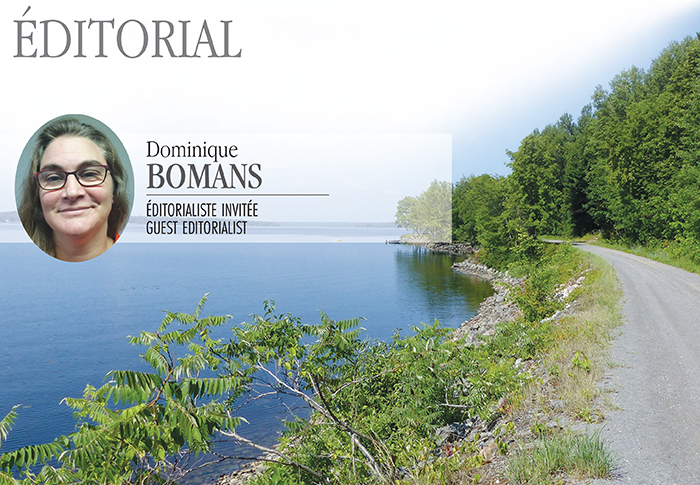
In the Pontiac, my efforts to preserve the cycle path brought me face to face with this difficulty a few years ago. Its low usage was cited as grounds for questioning its purpose. But what use could anyone expect from a poorly maintained cycle path that was almost entirely unpaved? An active minority does not necessarily hold the truth.
But must we wait until an idea gains majority support before giving it a chance? If prevailing practices become the sole measure of what deserves consideration, then there is very little room left for ideas to develop.
In the wake of the elections, this concern transcends political affiliations. Our constituency remains true to a long-standing tradition: it has been electing Liberal MPs since 1981. Re-electing an MP does not, however, mean we have to stick to old ways. Whatever our vote, we can support different initiatives and be open to discussing them without being too quick to dismiss them. Whilst change deserves to be examined – its costs, its limitations, its consequences – the status quo deserves the same scrutiny: what opportunities have we missed? What have we given up without even trying?
Pontiac must not change for the sake of change, but I hope it can choose its own future without confusing what is familiar with what is right for it. Preserving what is dear to us should not prevent us from seeking ways to improve the way we live together.
If we keep deciding on tomorrow based solely on today’s habits, what future
are we leaving ourselves the chance to reinvent? To avoid having to endure it,
it would be wise to ask ourselves what the status quo is costing us.


