

Tashi Farmilo
Published online March 11, 2026, at www.pontiacjournal.com
SHAWVILLE – The Municipality of Pontiac could see its annual payment to use the Shawville arena rise from just over $30,000 to roughly $60,000 next season, after Shawville warned that mounting costs may require neighbouring municipalities to chip in more. Shawville Mayor Bill McCleary said the pressure comes from an “ever increasing operating deficit” the municipality “can no longer fund alone.”
“We need all the users to share the cost,” McCleary said. He said Pontiac, as the arena’s largest user, “would obviously be asked to provide more based on number of users,” but no concrete amount has been set. Pontiac Mayor Roger Larose said the fee has climbed steadily over the years, from $15,000 not long ago to just over $30,000 this season. “This year, they sent us a letter saying the cost is going to double,” he said.
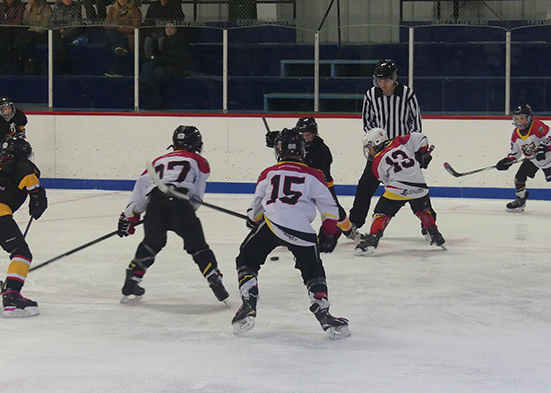
The fee is paid from municipal revenues and is calculated each year based on how many local children are registered in hockey and figure skating at the Shawville rink. The proposed increase would bring the cost from $250 to $500 per child.
“That $500 per kid is getting to be expensive, because I have 1,200 kids in my municipality. We have to be fair to everybody too,” Larose said. Pontiac intends to pay this season’s bill, but wants clarity before committing to more. “Next year, we need to find out what’s going on. If it’s going to be double, people need to know ahead of time.” About 50 residents attended a February information meeting in Luskville where some parents raised concerns about limited ice time and the resulting long drives to practices as far as Fort-Coulonge.
The arena recorded a deficit of more than $177,000 last year, driven largely by repair bills and hydro costs tied to aging infrastructure. Every Shawville taxpayer contributes more than $200 a year toward the arena whether they use it or not, with neighbouring municipalities covering the rest. The Municipality of Pontiac accounts for 118 of the arena’s 301 registered users, making it the largest outside contributor.
McCleary noted Clarendon has already adjusted its share, moving away from a per-user fee to a lump sum that is “much more than the current $250 per resident user.”
The building’s condition adds to the uncertainty. “The arena is in bad shape,” Larose said. “If something else breaks, what’s going to happen?” He also noted the building is owned not by Shawville, but by the local Agricultural Society, which has significantly raised the rent it charges the municipality in recent years.
Shawville is reviewing a public survey on the arena’s future and waiting on an engineering study for a potential new facility. Figures discussed publicly have run into the tens of millions of dollars, a price tag that would require broad regional participation.
On the governance side, McCleary said Shawville is exploring new management models. “Down the road, we need to look at a different form of management; a board of several partners,” he said, adding “no firm decision” will be made until the municipality has met with potential partners. Larose said Pontiac will maintain communication with both Shawville and the Agricultural Society. “The goal is to try to get things fixed up and fair,” he concluded.


